Tissue Culture

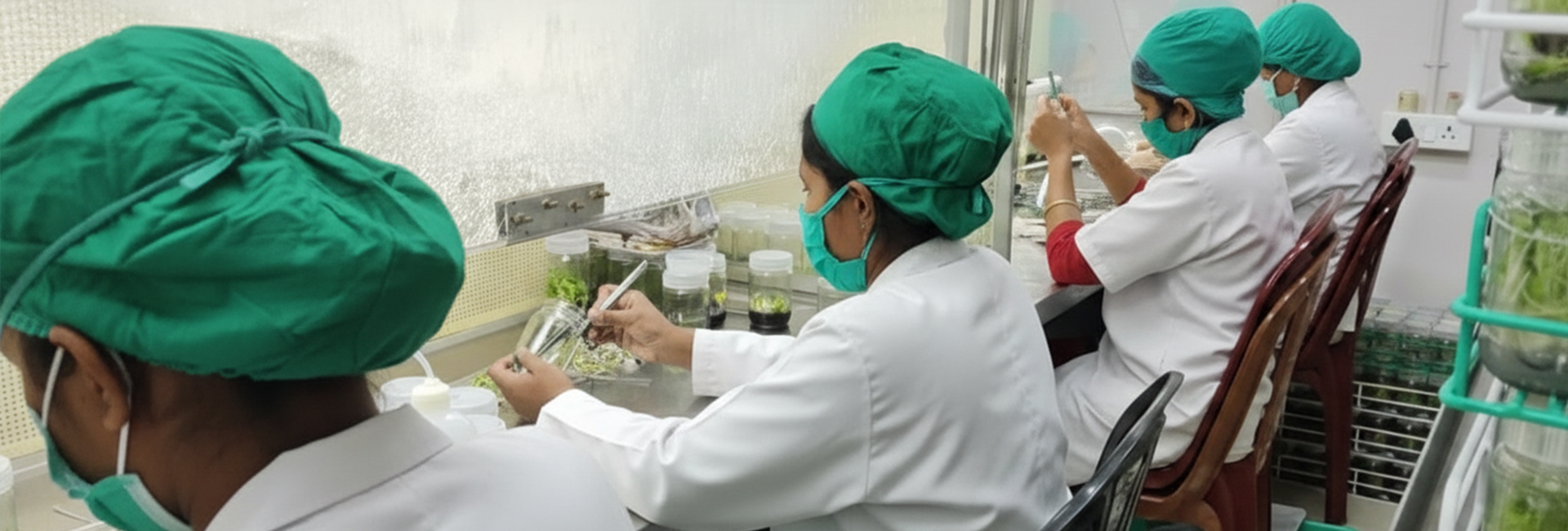
Krishi Rasayan Pvt. Ltd leads the way in Plant Tissue Culture in Eastern India. We began our journey into Plant Tissue Culture 8 years ago, starting with Potato. Now, we've expanded into G9 Banana plants, equipped with over 8000 sq ft of lab space and a 2-acre Shade Net Poly House. Our goal is to produce 2.5 million plants every year.

What makes us unique is our deep knowledge and extensive trial-and-error research. We not only maintain a 10-acre showcase plot in Nadia but also subject every batch of Krishi kela suckers to Genetic Fidelity Tests, Virus Indexing, and IPQC.

Our entire lab adheres to stringent standards, and we firmly believe that the key to agricultural growth is doubling the per-acre yield for farmers.

6 Acres of Shade Net Poly House

6

Acres of Shade
Net Poly House

1 Million Plants Exported

1

Million
Plants Exported

Plants

15

Million
Plant Capacity

Plants

100

Acre Nursery
Space

What is Tissue Culture?

Tissue culture is a method of growing plants using a small part, a single cell, or a group of cells in a controlled and clean environment, like a test tube. It's a modern way of breeding plants that started around the 1950s. Since regular breeding methods couldn't keep up with the demand for crops, tissue culture became a big step forward in plant breeding. It takes a part of a plant and makes many copies quickly. It works because plant cells have the amazing ability to become a whole new plant, no matter where they come from in the original plant.

Krishi Rasayan Group

Advantages of Tissue Culture?

    Plants are just like the mother plant

    • The new plants are free from pests and diseases
    • All the plants grow the same way, which increases the produce
    • The crops grow faster, and we can use the land efficiently, even in places with small farms
    • We can plant the seedlings all year round
    • The crops can be harvested twice in a short time, which saves money
    • Harvesting is not spread out over time
    Krishi Rasayan Group
    Krishi Rasayan Group

    Krishi Rasayan is a plant tissue culture company in India specializing in the commercial micro-propagation of export-grade ornamental and foliage plants.

    We work with international breeders, growers, and plant companies seeking consistent quality, clean stock, and long-term tissue culture partnerships.

    Our facilities and processes are designed to deliver uniform, disease-free plantlets at scale, aligned with the requirements of EU, Middle East, and emerging global markets.


    Tissue Culture Services in India – Built for Global Markets

    We provide commercial tissue culture solutions focused on reliability, traceability, and repeatable outcomes.

    Our Core Specialisation
    • Micro-propagation of ornamental foliage plants
    • Large-scale multiplication of aroids and select flowering ornamentals
    • Export-oriented production of young plants, liners, and TC plantlets
    • Scalable programs suitable for long-term international supply chains

    Our systems are built to support predictable timelines, batch uniformity, and consistent genetic performance.


    Protocol-Driven Plant Tissue Culture

    At Krishi Rasayan, tissue culture is not experimental — it is process-led and protocol-driven.

    Our Technical Approach
    • Standardised multiplication protocols for each crop
    • Strong focus on virus indexing and pathogen control
    • Strict mother stock hygiene and traceability
    • Batch-level documentation for consistency and accountability
    • Production designed for repeatability and scale, not one-off batches

    This ensures every batch meets the expectations of professional growers and international buyers.


    Respect for Plant IP & Breeder Genetics

    We work closely with breeders and rights holders to ensure:
    • Full respect for plant intellectual property
    • Compliance with breeder agreements and licensing terms
    • Controlled multiplication under agreed exclusivity frameworks
    • Responsible scaling of proprietary genetics

    Our role is to act as a trusted tissue culture base, not a commodity supplier.


    What Partners Work With Us On

    International partners collaborate with us to:
    • Scale patented or controlled ornamental genetics
    • Reduce losses and variation in tissue culture output
    • Achieve stable, repeatable production over multiple years
    • Develop export-ready young plants and liners
    • Build long-term supply programs rather than spot procurement

    We support partners who are building brands and markets, not just volumes.


    Why Choose Krishi Rasayan for Tissue Culture?

    Partners choose us for our reliability, structure, and long-term mindset.

    Our Key Strengths
    • Commercially reliable and compliance-driven operations
    • Long-term partnership approach (3–5 year programs)
    • Transparent communication and clear documentation
    • Cost-efficient production without compromising plant quality
    • India-based scale with international export orientation

    This ensures every batch meets the expectations of professional growers and international buyers.


    Who We Work With?

    We actively collaborate with:
    • Ornamental plant breeders
    • Export-focused growers and nurseries
    • International plant companies seeking an India-based TC partner
    • Businesses looking to scale promising genetics responsibly


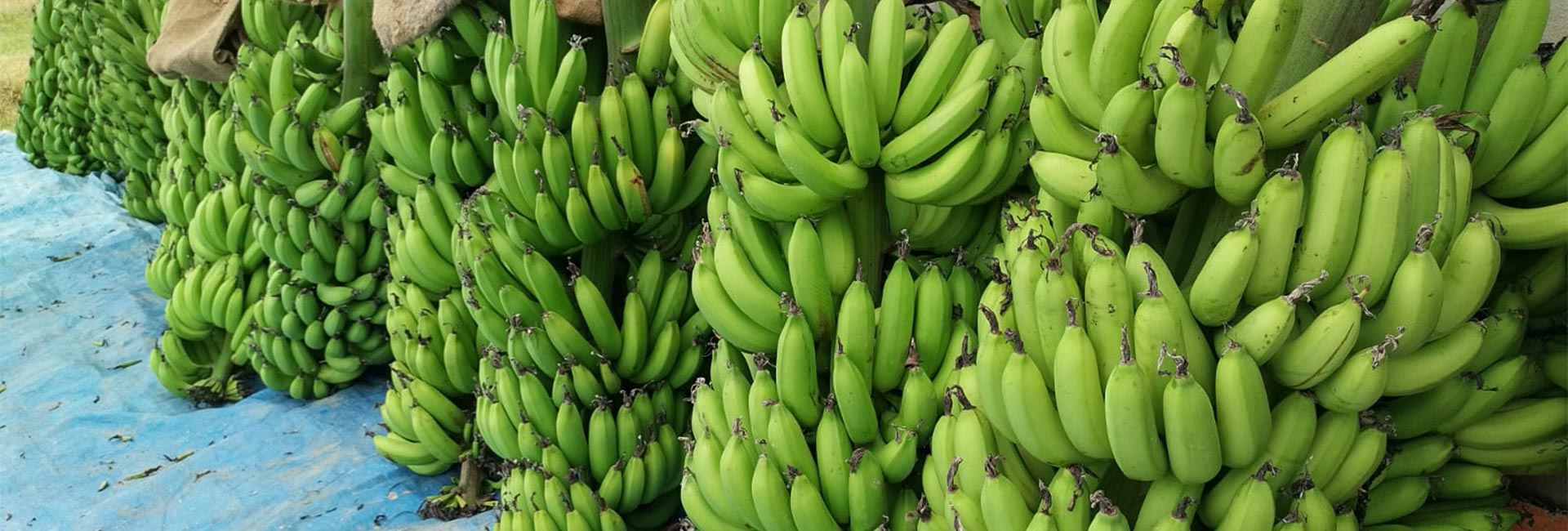
    Tissue Culture G9 Banana

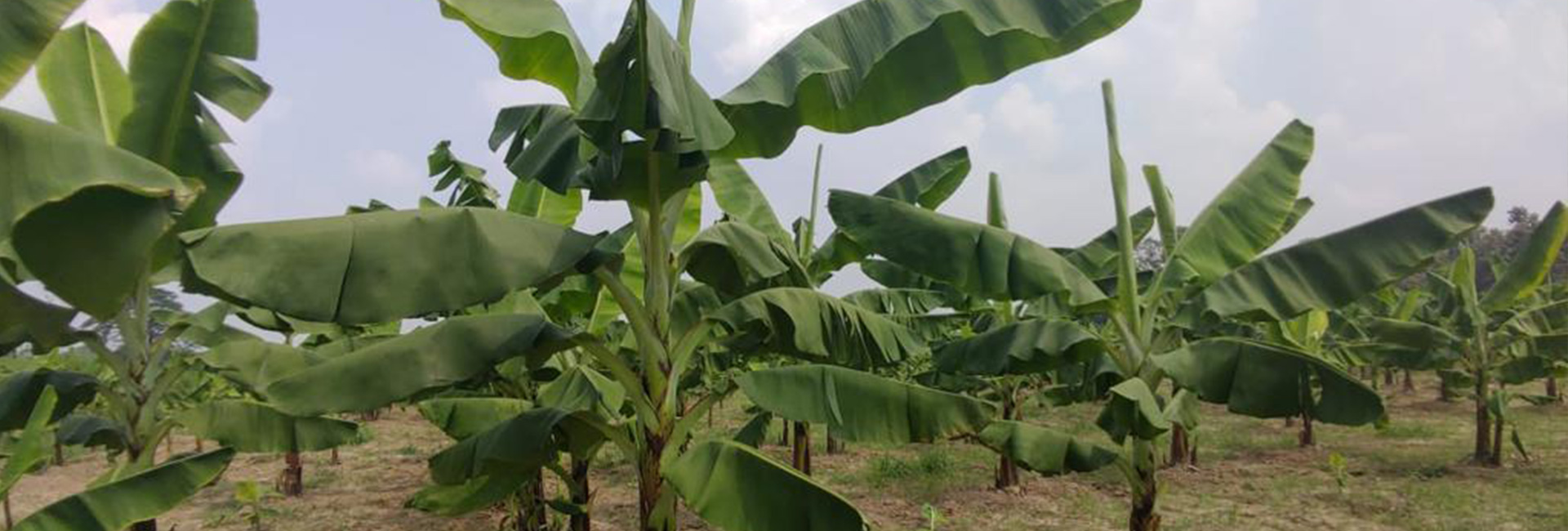
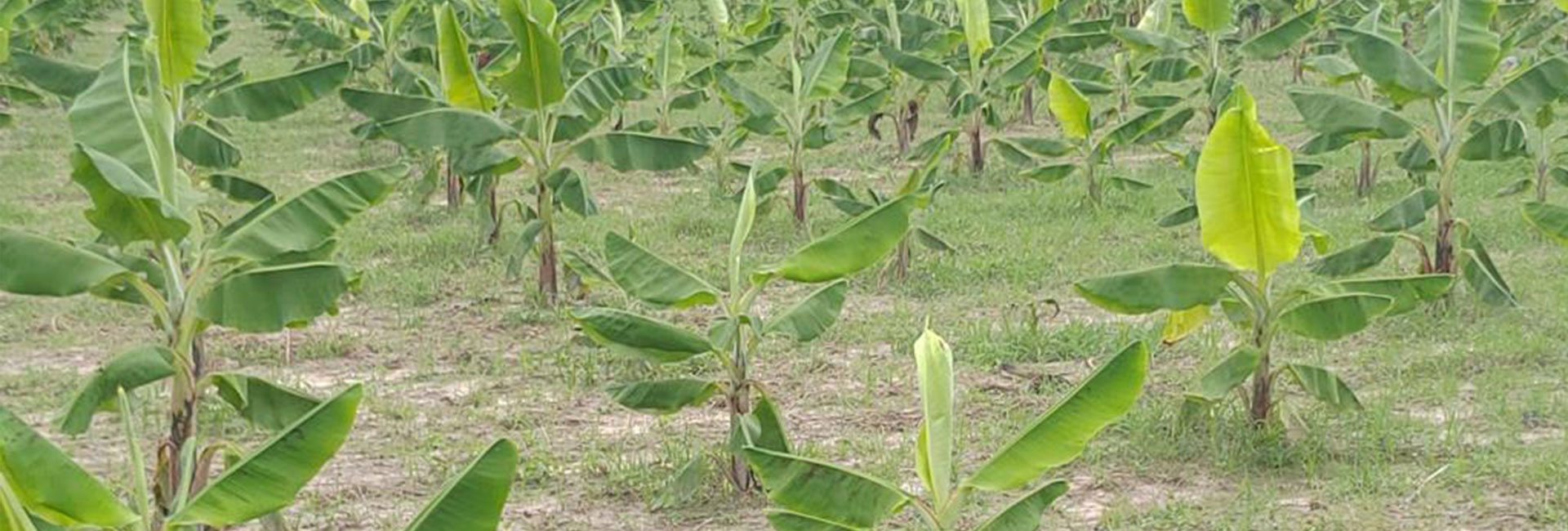
    Krish9 Kela

    • Plants are of the same age and variety
    • Disease-free and healthy plants
    • All plants have the same characteristics as the mother plant
    • Tissue culture plants offer high yields because they are selected from high-yielding mother plants
    • Ready for harvest in 11 to 12 months
    • Uniform crop growth
    • Lower costs for irrigation, labor, and cultivation due to the shorter crop period
    • Main crop and two ratoon crops can be harvested in 28-30 months, resulting in more yield and profit

    Traditional Sucker

    Plantation

    • Suckers are not of the same age, leading to non-uniformity
    • Some suckers may be diseased
    • No assurance of specific characteristics
    • Lower yields due to variation in mother plants' yield levels
    • Longer crop maturity period (15-16 months)
    • Non-uniform crop growth
    • Higher costs for irrigation, labor, and cultivation due to the longer crop period
    • Only one main crop and one ratoon crop in 30-32 months, resulting in less yield and profit

    Our Philosophy

    We don’t aim to be the biggest — we aim to be the most reliable.
    Video Zone

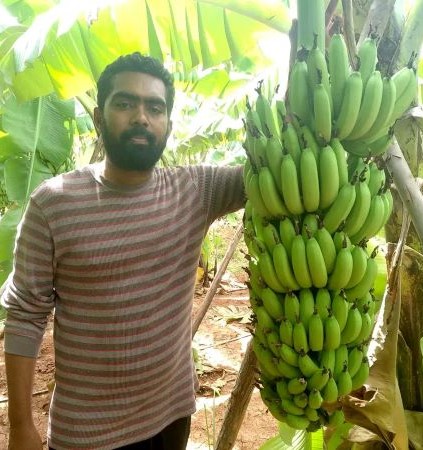
    Farmer Testimonials